Physiotherapy & exercise physiology · Paddington, Brisbane
Tell us where it hurts. We’ll tell you how we’d help.
Tap the spot on the figure. You’ll see the usual reasons it hurts, what your first visit involves, who here sees it most, and how many visits most people need. Then book with your answer already filled in.
- Sports injuries
- Back and neck pain
- Post-surgery rehab
- Women’s health and pelvic floor
- Clinical Pilates
- Hydrotherapy
Rather talk it through? (07) 5550 2275 · or book without the map
Next free time with each of us
Sample availability for this demo, calculated from the Brisbane time now.
- Open the booking page to see times.
Your first visit
Forty-five minutes. Here is where they go.
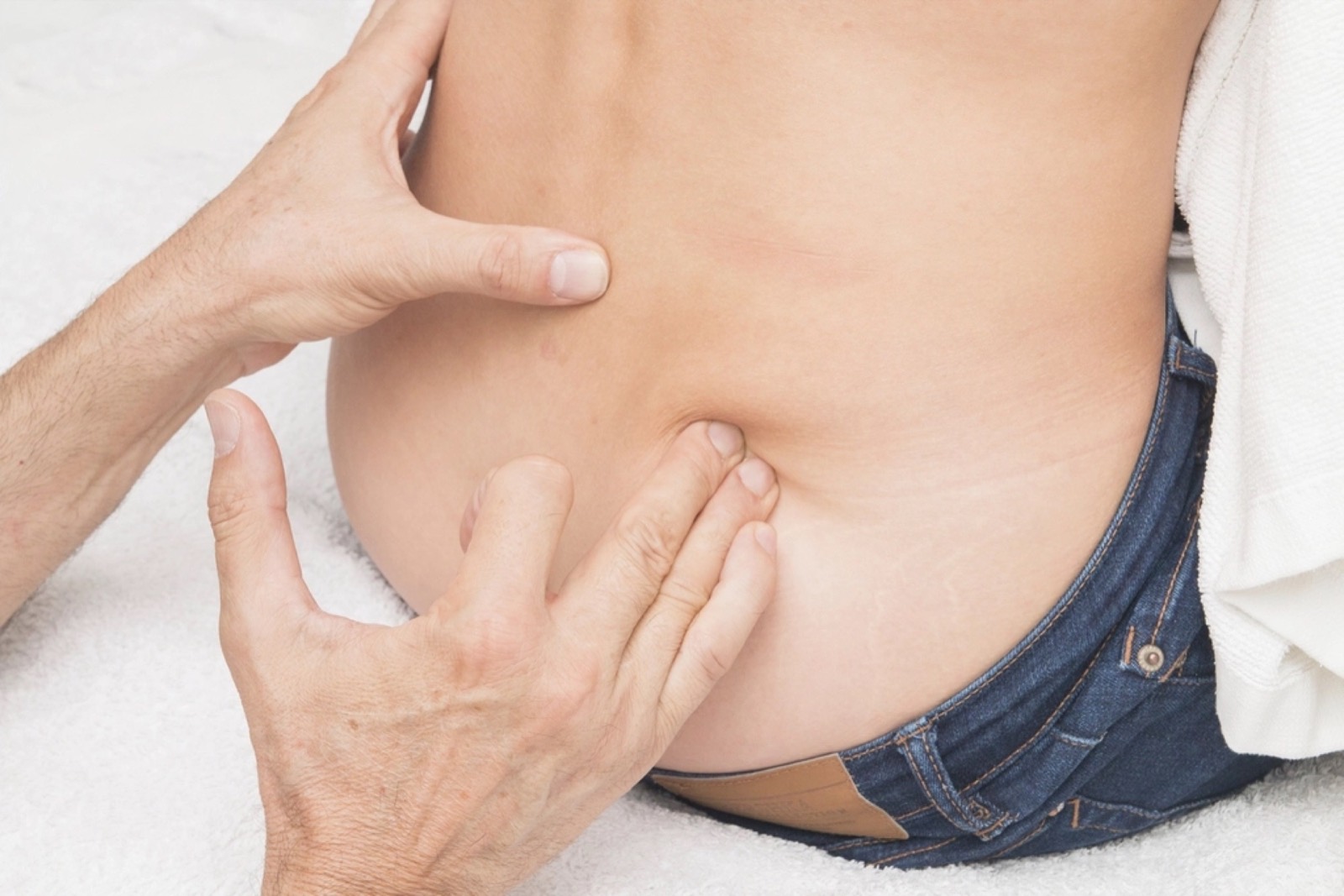
Wear something you can move in. Bring your GP referral letter or plan if you have one, any scan reports, your private health card, and a WorkCover or CTP claim number if the injury is part of a claim. You can ask for a chaperone at any time.
-
0 to 10 min
Your story
What happened, what it stops you doing, what you’ve already tried. We ask about sleep, work, medicines and anything else that changes how your body heals. Take your time. Nobody is rushing you into a table.
-
10 to 20 min
Look and move
We watch you stand, walk and move the sore part, then test strength, range, joints and nerves. Hands-on checks come last, with towels and privacy as you choose.
-
20 to 28 min
What we think is going on
Plain English, no jargon. What we think is hurting, what we’re less sure about, and whether you should see your GP or have a scan first. If we think another professional is the better fit, we say so.
-
28 to 40 min
Start treating
Usually hands-on work, taping or needling if you agree to it, and the first two or three exercises. You leave this part feeling what the plan is, not just hearing it.
-
40 to 45 min
The plan
Your home program, a range for how many visits most people need, what to do if it flares, and the claim sorted on the spot through HICAPS if you have private cover.
Fees & funding
What a visit costs, and who helps pay.
Health services are GST-free, so these are the amounts you pay before any rebate. We tell you the figure before you pay it, and we claim on the spot where we can.
| Visit | Time | Fee GST-free |
|---|---|---|
| Initial assessmentFirst visit with a physiotherapist | 45 min | $110 |
| Standard follow-upPhysiotherapist | 30 min | $95 |
| Long follow-upComplex problems and post-surgery rehab | 60 min | $130 |
| Exercise physiology sessionAccredited exercise physiologist | 45 min | $90 |
Clinical Pilates starts after an initial assessment. Class fees are confirmed at that visit. You can pay by card, Apple Pay, Google Pay or PayID. Fees from 1 July 2026.
How are you covered?
We claim through HICAPS on the spot, so you only pay the gap.
- What helps
- Your fund’s extras cover for physiotherapy or exercise physiology.
- What you pay
- The fee minus your fund’s rebate. Rebates depend on your fund, your level of cover and what you have left in your annual limit, so we can’t quote it for you. Your fund can.
- Bring
- Your health fund card.
Medicare helps with up to 5 allied health visits a year if your GP writes you a plan.
- How it works
- If you have a chronic condition (one that has lasted, or is likely to last, six months or more), your GP can prepare a GP Chronic Condition Management Plan. It replaced the Chronic Disease Management plan on 1 July 2025. The 5 visits are shared across every allied health service you use in a calendar year, not 5 for each.
- What you pay
- Medicare pays a rebate for each of those visits. You pay the difference.
- Bring
- Your GP’s referral letter and your Medicare card.
Gold and White Card holders are welcome.
- How it works
- Treatment must be clinically needed and, for a White Card, for an accepted condition. Your GP will usually need to refer you. We bill DVA directly for approved treatment.
- Bring
- Your DVA card and GP referral.
Hurt at work in Queensland? Treatment is billed to the insurer, not to you.
- How it works
- Your claim needs to be accepted, or treatment approved, by WorkCover Queensland or your employer’s self-insurer. We can help request approval for visits. You’ll need a Work Capacity Certificate from your doctor.
- Bring
- Your claim number and your employer’s details.
Injured in a motor vehicle crash in Queensland? CTP insurance can fund your treatment.
- How it works
- We need your claim number and your insurer’s approval for treatment. If you haven’t lodged a claim yet, we can still see you, and we’ll talk you through what to do.
- Bring
- Your insurer’s name, claim number and any crash or police report number.
Plan-managed and self-managed participants are welcome.
- How it works
- We invoice you or your plan manager at the fees above. Tell us which support category in your plan the visits should come from, and we’ll write the invoice to match.
- Bring
- Your plan details and your plan manager’s email.
No cover? You pay the fee in the table, and we give you a receipt.
- How to pay
- Card, Apple Pay, Google Pay or PayID at the front desk. Keep the receipt for your tax return if it applies to you.
The team
Five physiotherapists and an exercise physiologist.
The figures show the areas each person sees most. Everyone here treats a wide range of problems, so this is a guide, not a limit.
-
Maeve Tran
Physiotherapist
Running, court and field sport injuries; return to sport after knee and ankle surgery.
AHPRA reg. PHY0000000000 (demo)
-
Callum Reid
Physiotherapist
Back and neck pain, desk-job aches, and the sore-for-months problems that keep coming back.
AHPRA reg. PHY0000000000 (demo)
-
Priya Nair
Physiotherapist
Women’s health: pelvic floor, pregnancy and postnatal pain, and clinical Pilates.
AHPRA reg. PHY0000000000 (demo)
-
Tom Havili
Physiotherapist
Rehab after hip and knee replacements, ACL and shoulder surgery, working with your surgeon’s protocol.
AHPRA reg. PHY0000000000 (demo)
-
Sienna Walsh
Physiotherapist
Shoulder, elbow and hand problems, neck-related headaches and jaw pain, and hydrotherapy sessions.
AHPRA reg. PHY0000000000 (demo)
-
Daniel Cho
Exercise physiologist
Strength and conditioning programs for persistent pain, arthritis and long-term conditions, in the rehab gym.
ESSA accreditation AEP 0000000 (demo)
Names and registration numbers are placeholders in this demo.
The rehab gym
Where the exercises happen.
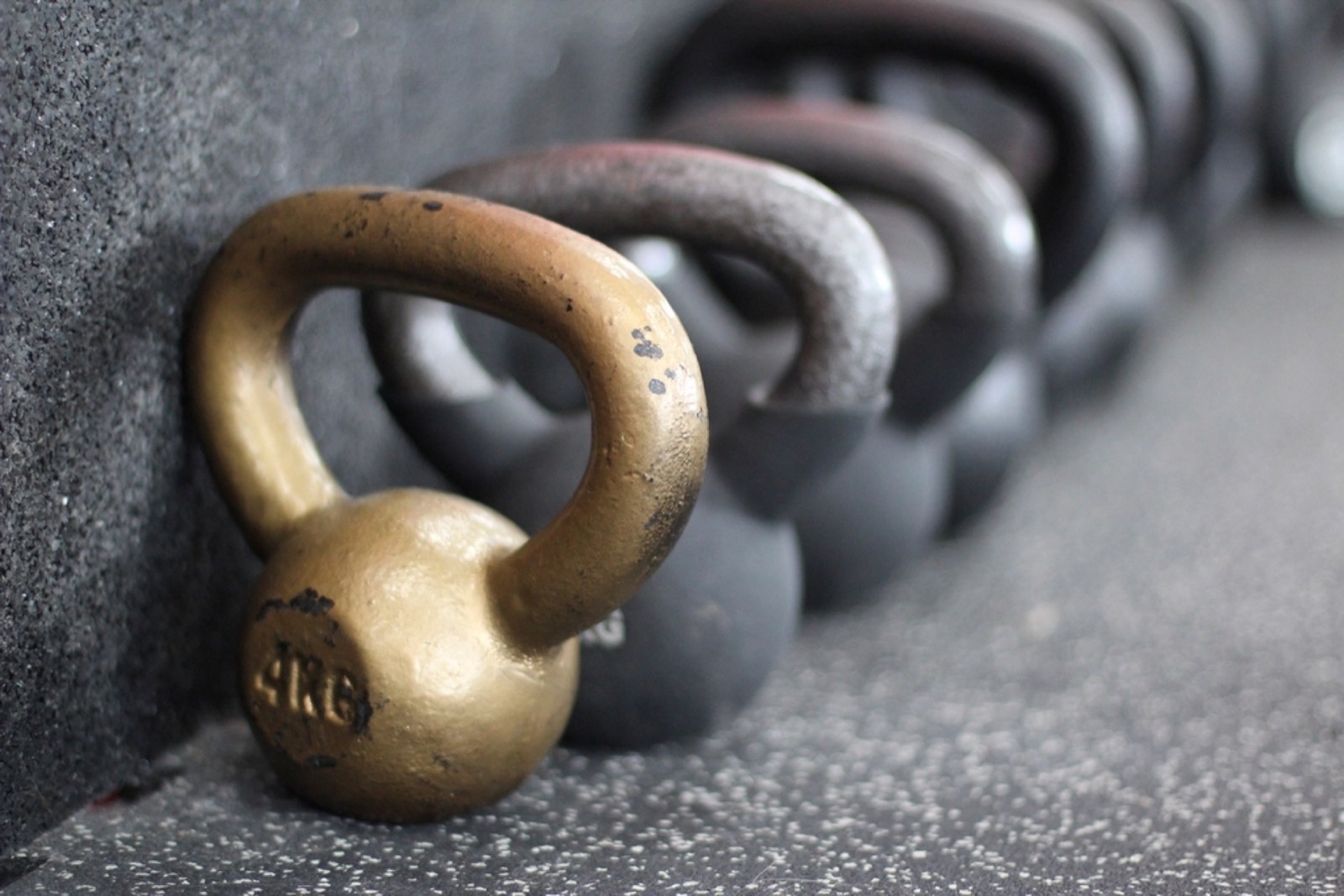
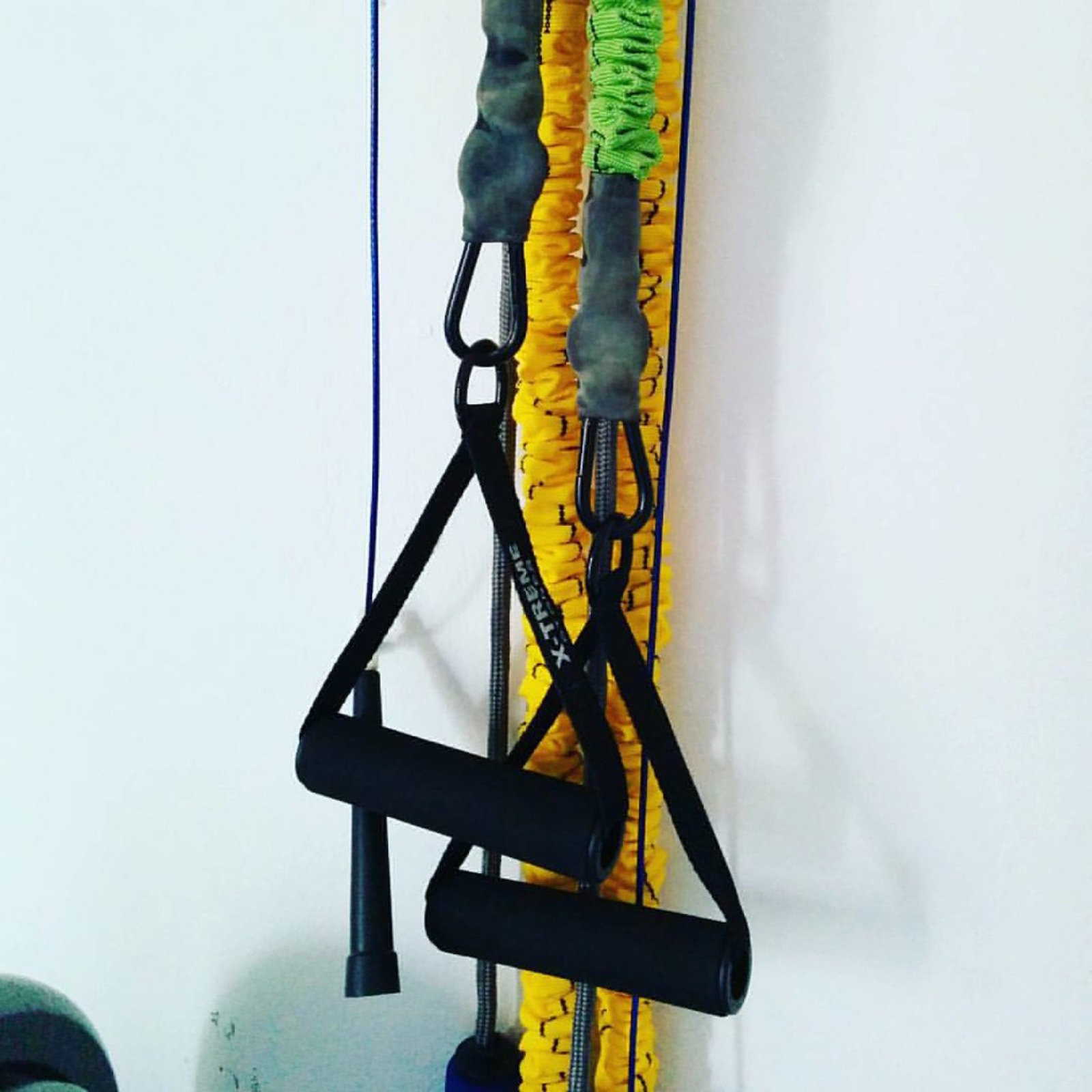
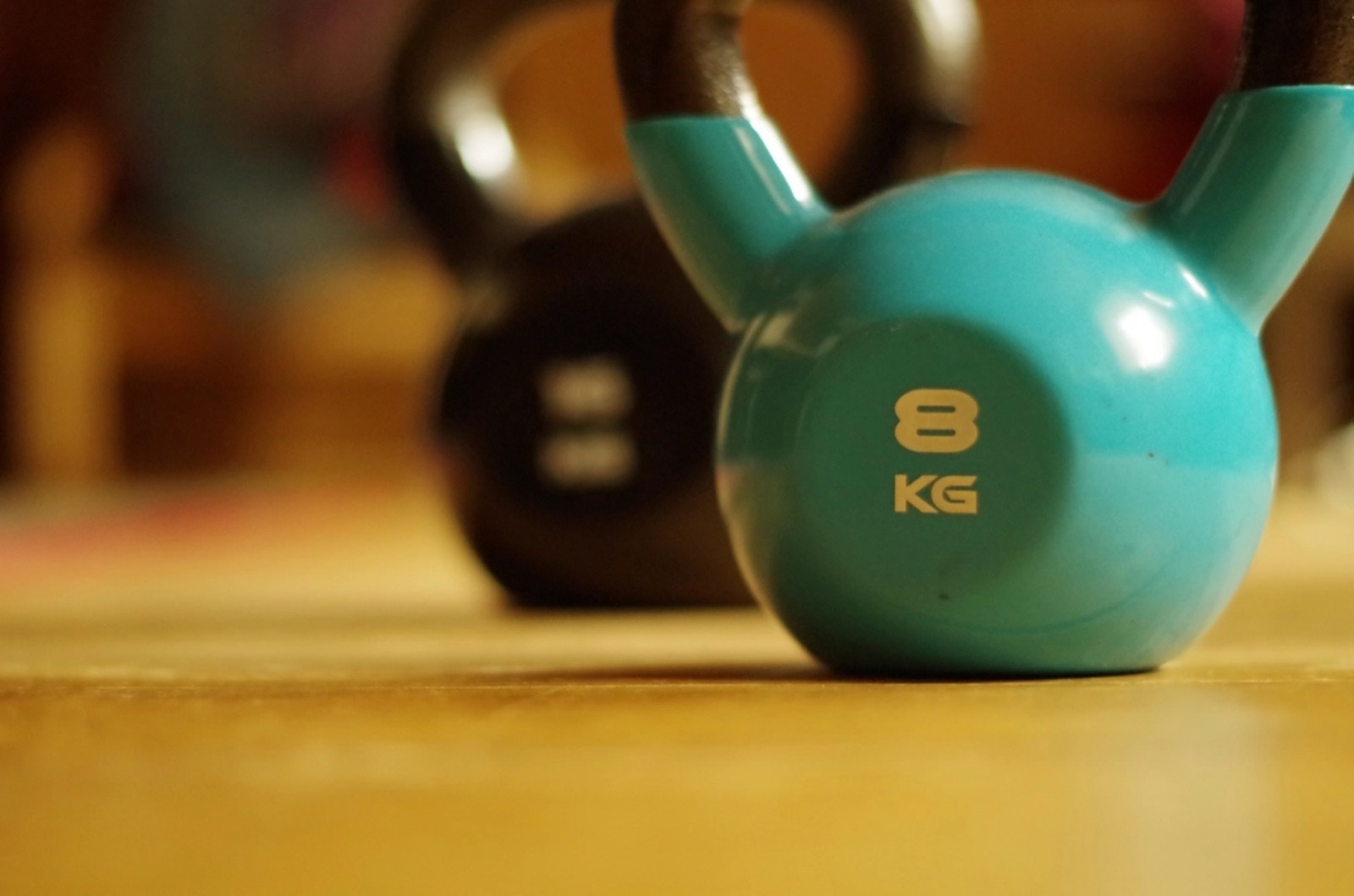
Treatment gets you moving. The gym is where you get strong enough that it stays fixed. Your physio or exercise physiologist writes the program and watches you do it, so the weights go up when you’re ready, not before.
Clinical Pilates
Reformers and mats in groups of up to four, run by a physiotherapist who has already assessed you. Good for backs, hips and pelvic floor.
Hydrotherapy
One-on-one sessions in a heated pool a short drive from the clinic. Useful early after surgery, or when load hurts on land.
Find us
Up the hill in Paddington.
See hours below
Unit 2, 000 Given TerracePaddington QLD 4064
| Monday | 7:00am to 7:00pm |
|---|---|
| Tuesday | 7:00am to 7:00pm |
| Wednesday | 7:00am to 7:00pm |
| Thursday | 7:00am to 7:00pm |
| Friday | 7:00am to 5:00pm |
| Saturday | 7:00am to 12:00pm |
| Sunday | Closed |
Closed on public holidays. All times Brisbane time (AEST, no daylight saving in Queensland).
- Parking. Timed street parking on Given Terrace and the side streets (check the signs), plus two accessible bays behind the building.
- Public transport. Buses run along Given Terrace and Caxton Street. Roma Street and Milton train stations are a short bus ride away.
- Access. Ground-floor rooms, step-free entry from the back car park, and a gym you can wheel into.
Still not sure it’s a physio problem?
Book an initial assessment. If we’re not the right people, we’ll tell you who is.
Book an initial assessment